Family roles overview

Other roles people may take on in a family of origin

These roles are not fixed identities or diagnoses. They are patterns that can develop in response to the needs, pressures, and emotional climate of a family.

RoleFunction it may carryGift or strengthAreas of growth or difficulties
The Responsible One / Perfect One
Illustration for the Responsible or Perfect role

To reassure the family, create a sense of success or stability, and show that things were manageable.

  • Competence
  • Responsibility
  • Discipline
  • Reliability
  • Leadership
  • Perseverance
  • Perfectionism
  • Fear of failure
  • Over-responsibility
  • Difficulty resting
  • Difficulty being vulnerable
  • High expectations of self and others
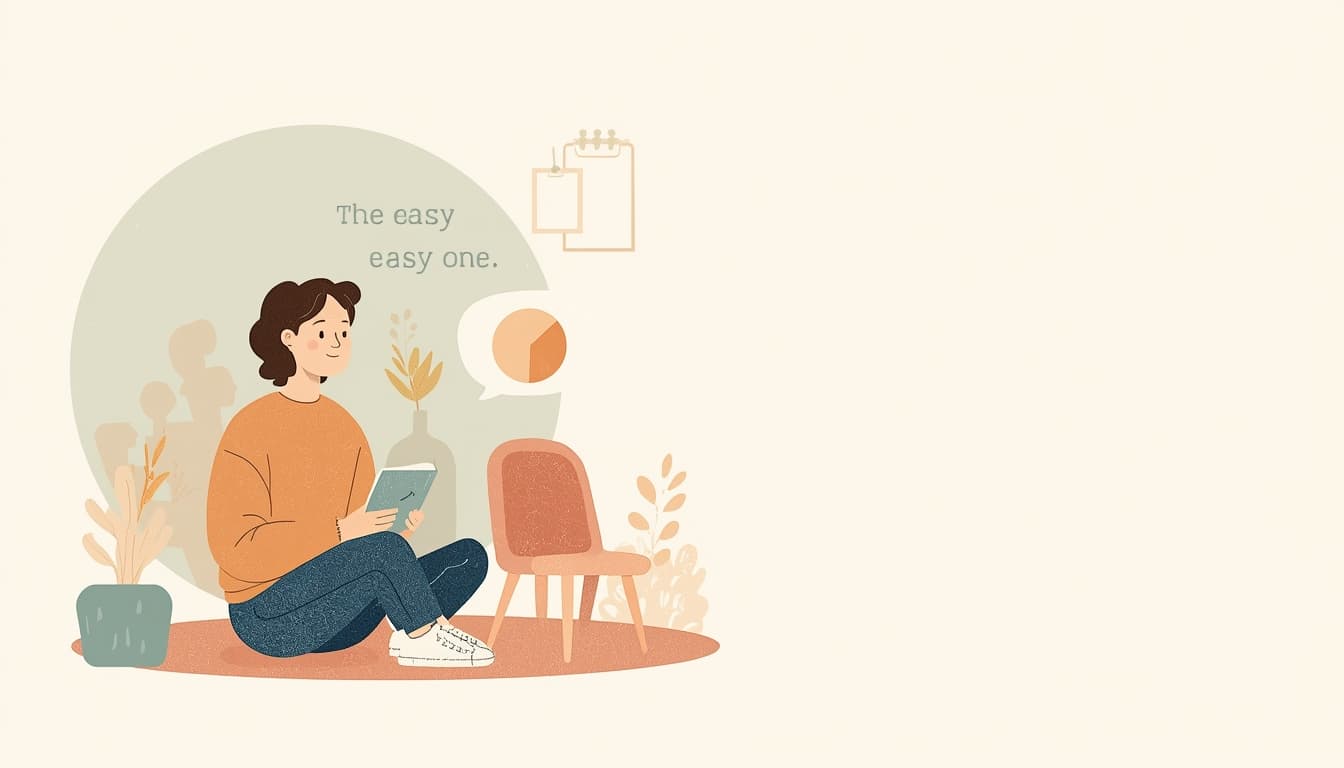
The Easy One
Illustration for the Easy One role

To reduce stress, avoid adding demands, and keep the family from becoming more overwhelmed.

  • Independence
  • Adaptability
  • Flexibility
  • Calmness
  • Self-sufficiency
  • Observation
  • Difficulty asking for help
  • Minimising needs
  • Emotional invisibility
  • Loneliness
  • Discomfort with dependence
  • Feeling unimportant
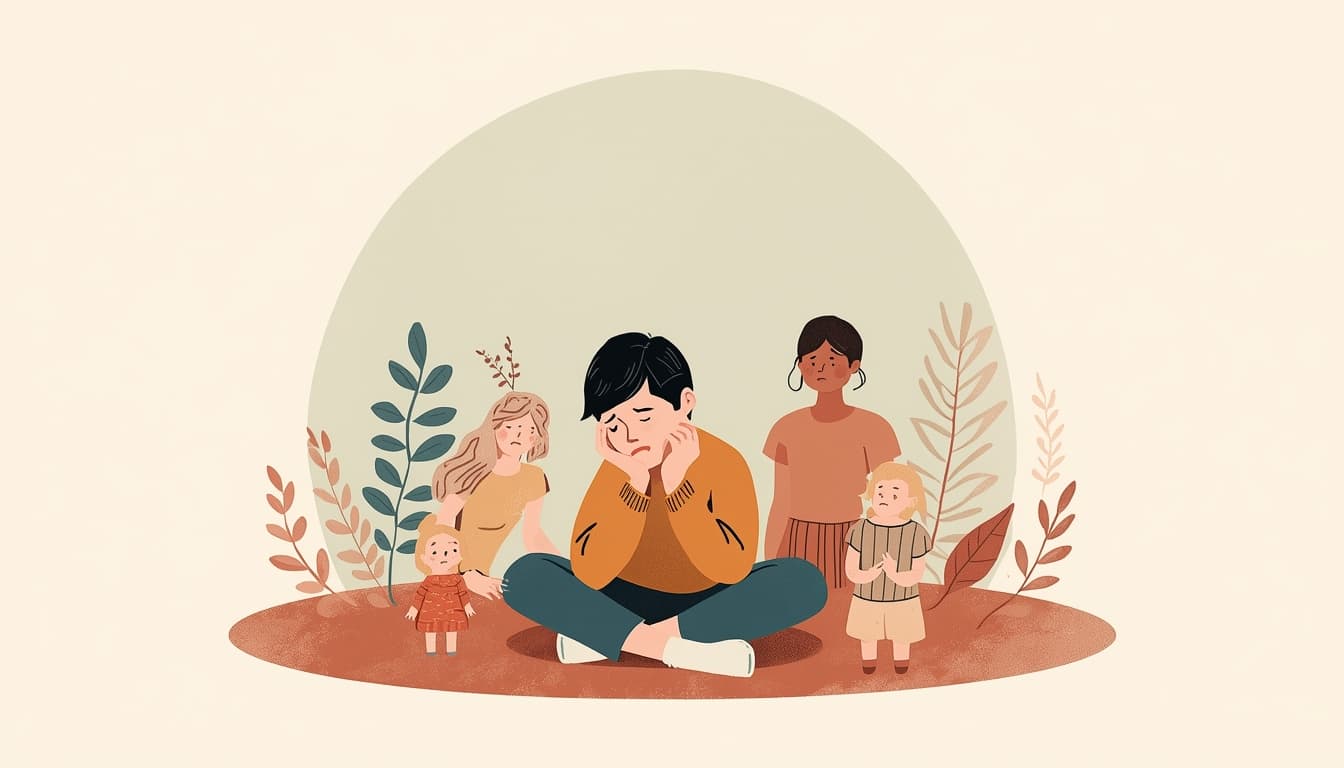
The Struggling One
Illustration for the Struggling or Vulnerable role

To signal that something needed attention, care, protection, advocacy, or change.

  • Sensitivity
  • Resilience
  • Emotional honesty
  • Self-awareness
  • Self-advocacy
  • Compassion for others who struggle
  • Feeling defined by difficulty
  • Shame
  • Dependence
  • Low agency
  • Being underestimated
  • Difficulty trusting your competence
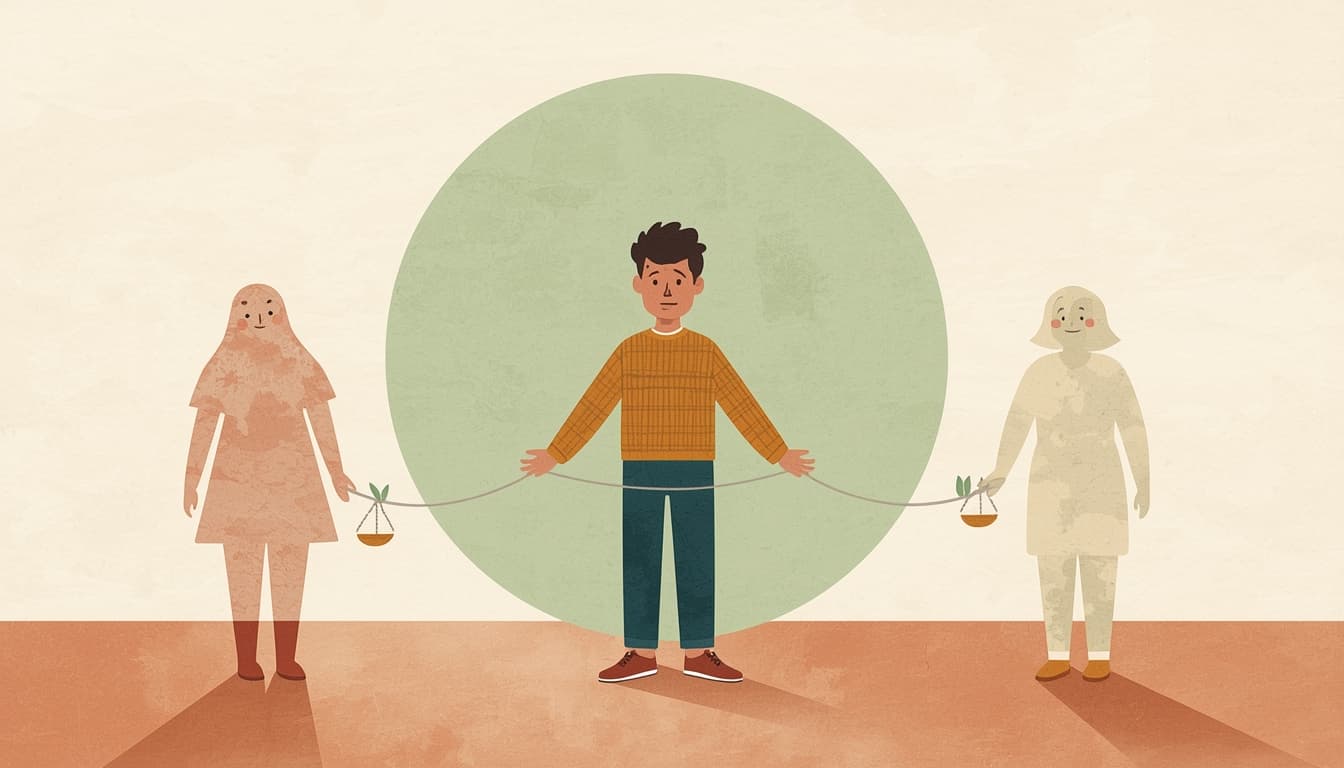
The Peacemaker
Illustration for the Peacemaker role

To reduce tension, prevent conflict, protect relationships, and keep the family emotionally steady.

  • Empathy
  • Diplomacy
  • Emotional attunement
  • Compassion
  • Patience
  • Collaboration
  • Suppressing anger
  • Avoiding conflict
  • Self-abandonment
  • Over-monitoring others
  • Difficulty knowing your own feelings
  • Feeling responsible for everyone's emotions
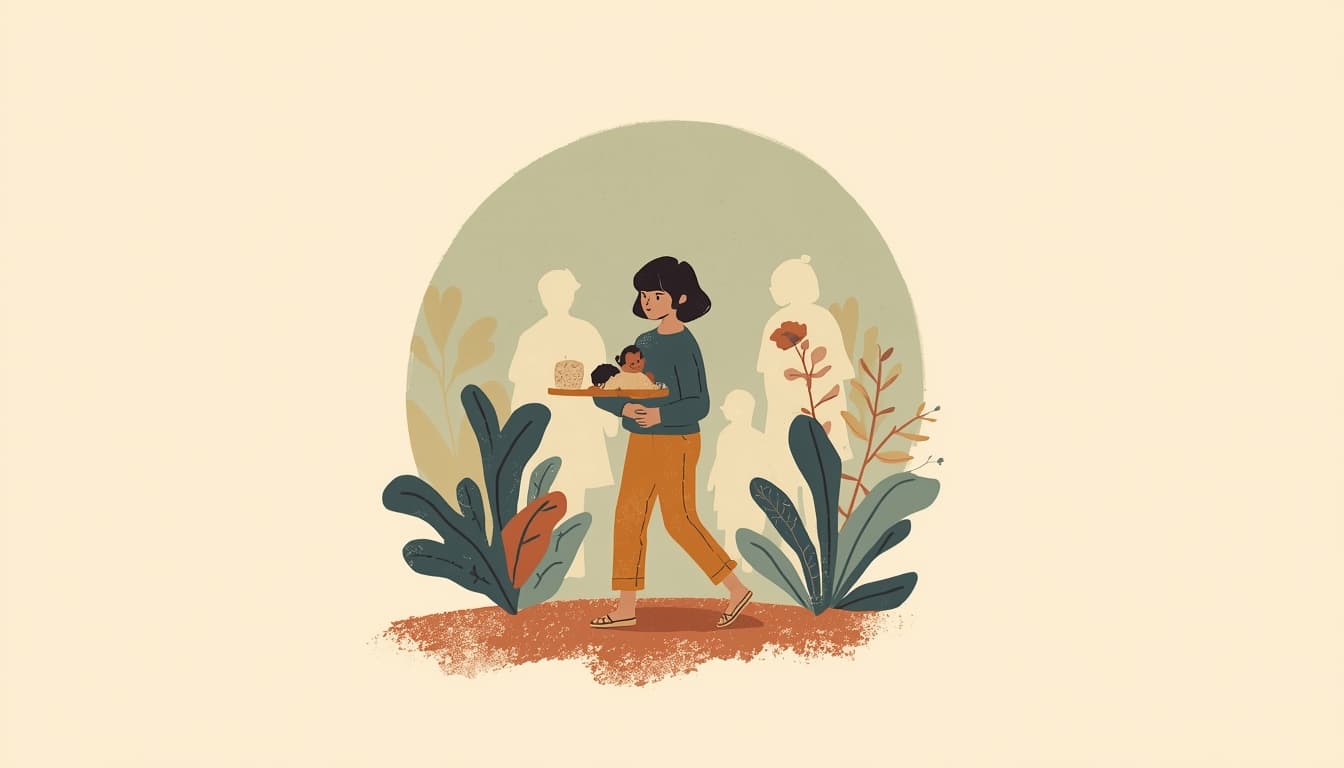
The Caretaking / Parentified Child
Illustration for the Caretaking or Parentified Child role

To support parents, siblings, or the family system; to provide care, stability, emotional regulation, or practical help.

  • Empathy
  • Maturity
  • Patience
  • Loyalty
  • Caregiving
  • Emotional sensitivity
  • Responsibility
  • Over-functioning
  • Weak boundaries
  • Burnout
  • Resentment
  • Difficulty receiving care
  • Feeling needed in order to feel loved
The Challenger / Rebel
Illustration for the Challenger or Rebel role

To express what others avoided, question family rules, expose tension, or draw attention to injustice or pain.

  • Courage
  • Honesty
  • Independence
  • Justice
  • Leadership
  • Clarity
  • Truth-telling
  • Hypervigilance
  • Mistrust
  • Difficulty softening
  • Feeling cast as the problem
  • Conflict cycles
  • Difficulty belonging
  • Needing to stay separate to feel safe