Reflective resource
Family-of-Origin Roles Quiz
A private, gentle space to reflect on the role you may have taken up in your family and how that pattern may still echo through close relationships now.
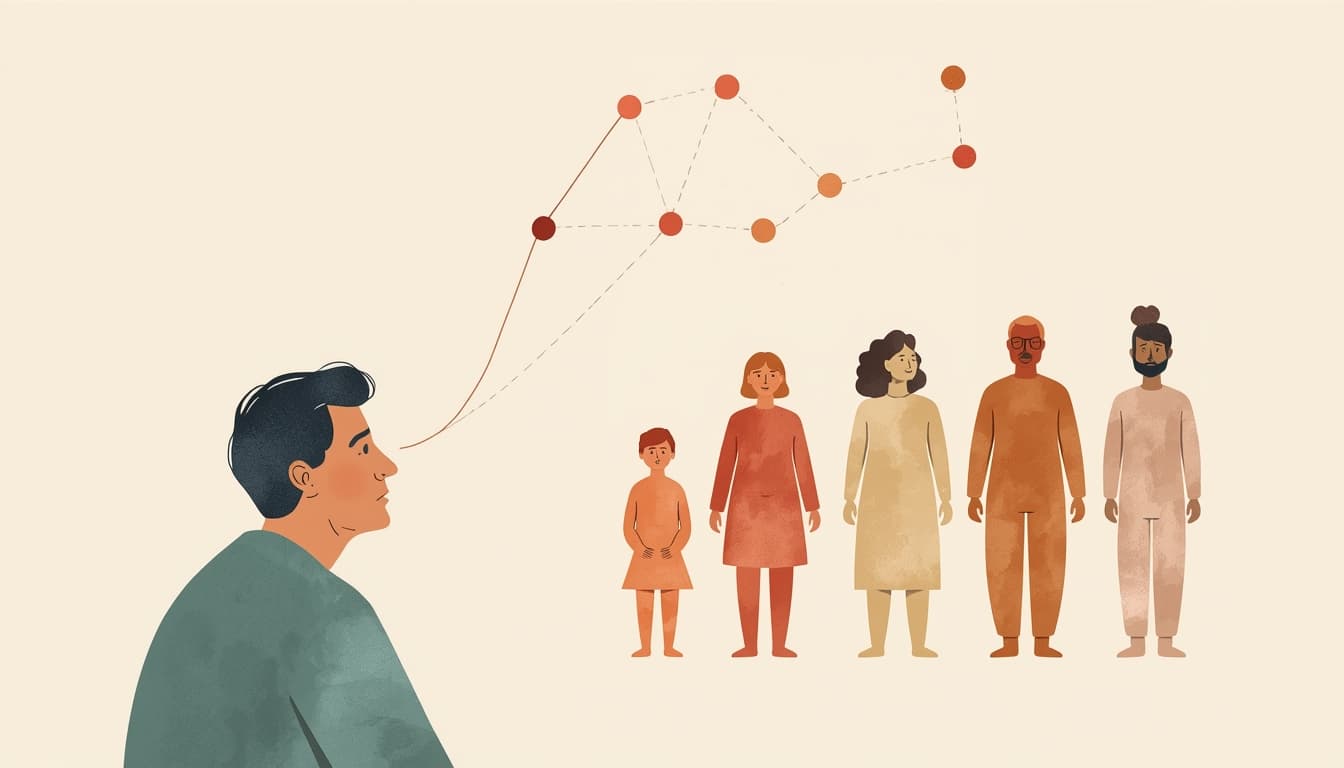
Understanding family-of-origin roles
Family-of-origin roles are the positions children often take up in order to stay connected, reduce tension, find safety, receive care, or help the family keep going. Over time, a child may learn that one particular way of being helps the family cope or helps them belong.
These roles are not diagnoses or fixed personality types. They are relational adaptations that can grow out of the pressures, unspoken rules, and emotional climate of a family. A pattern that once helped things feel more manageable may later shape how easily someone can express needs, feelings, anger, vulnerability, or independence.
Some patterns form around genuine vulnerability or hardship, including illness, disability, neurodivergence, trauma, bereavement, poverty, racism, migration stress, or other adversity. Naming a pattern here does not mean a child chose it, caused it, or exaggerated what they needed. It simply offers a way to reflect on how the family may have organised itself around those realities.
Each role tends to carry a function, a gift, and a cost. The function is what the adaptation may have helped the family manage. The gift is the strength that may have developed through it. The cost is what can happen when that adaptation becomes so familiar that it follows us into adult relationships, even when it no longer fits.
The purpose of this reflection is not to blame families or pathologise children. It is to notice what helped you cope, what strengths you may have developed, and where there may now be room for more freedom, flexibility, and choice.
Family roles overview
Roles in the family of origin
If you would like to read about the wider picture before taking the quiz, you can explore the common roles, the function they may carry, the strengths they may develop, and the areas of growth they may leave behind here.
| Role | Function it may carry | Gift or strength | Areas of growth or difficulties |
|---|---|---|---|
The Responsible One / Perfect One  | To reassure the family, create a sense of success or stability, and show that things were manageable. |
|
|
The Easy One  | To reduce stress, avoid adding demands, and keep the family from becoming more overwhelmed. |
|
|
The Struggling One  | To signal that something needed attention, care, protection, advocacy, or change. |
|
|
The Peacemaker  | To reduce tension, prevent conflict, protect relationships, and keep the family emotionally steady. |
|
|
The Caretaking / Parentified Child 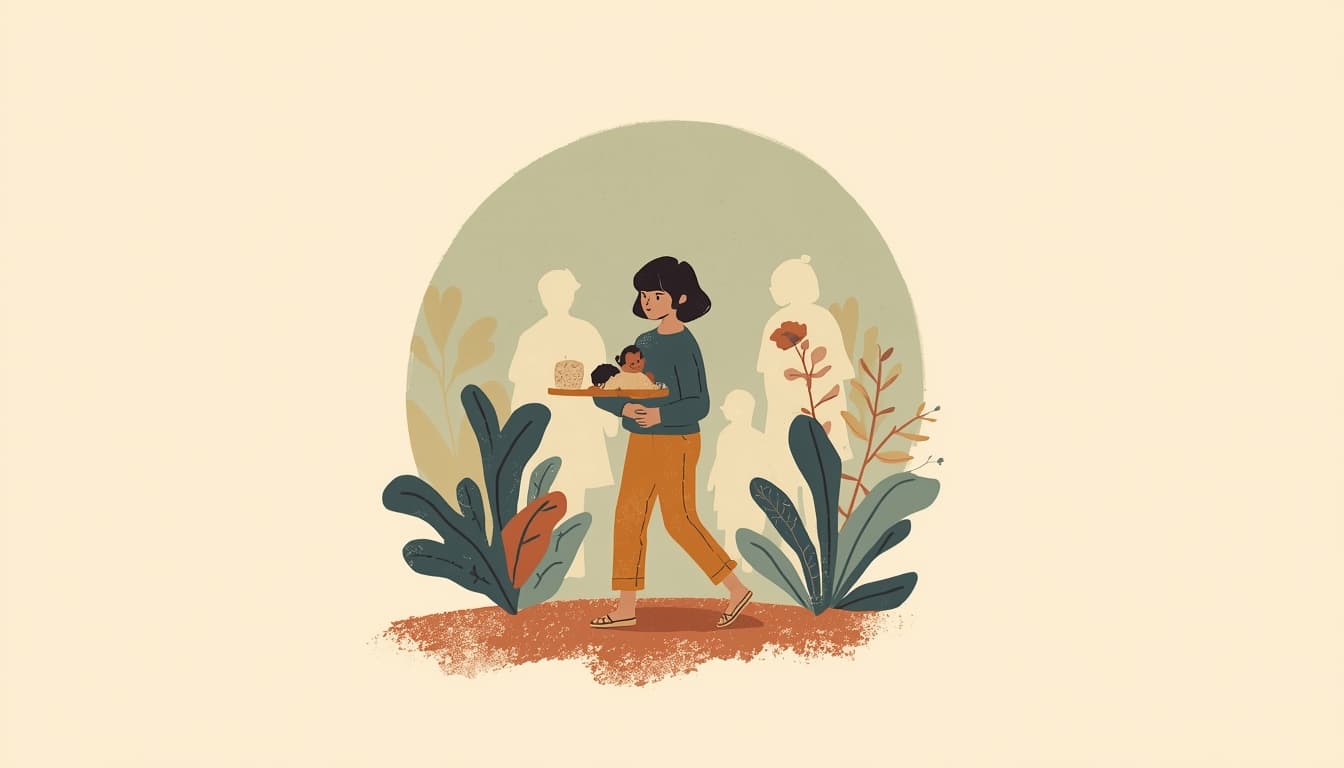 | To support parents, siblings, or the family system; to provide care, stability, emotional regulation, or practical help. |
|
|
The Challenger / Rebel 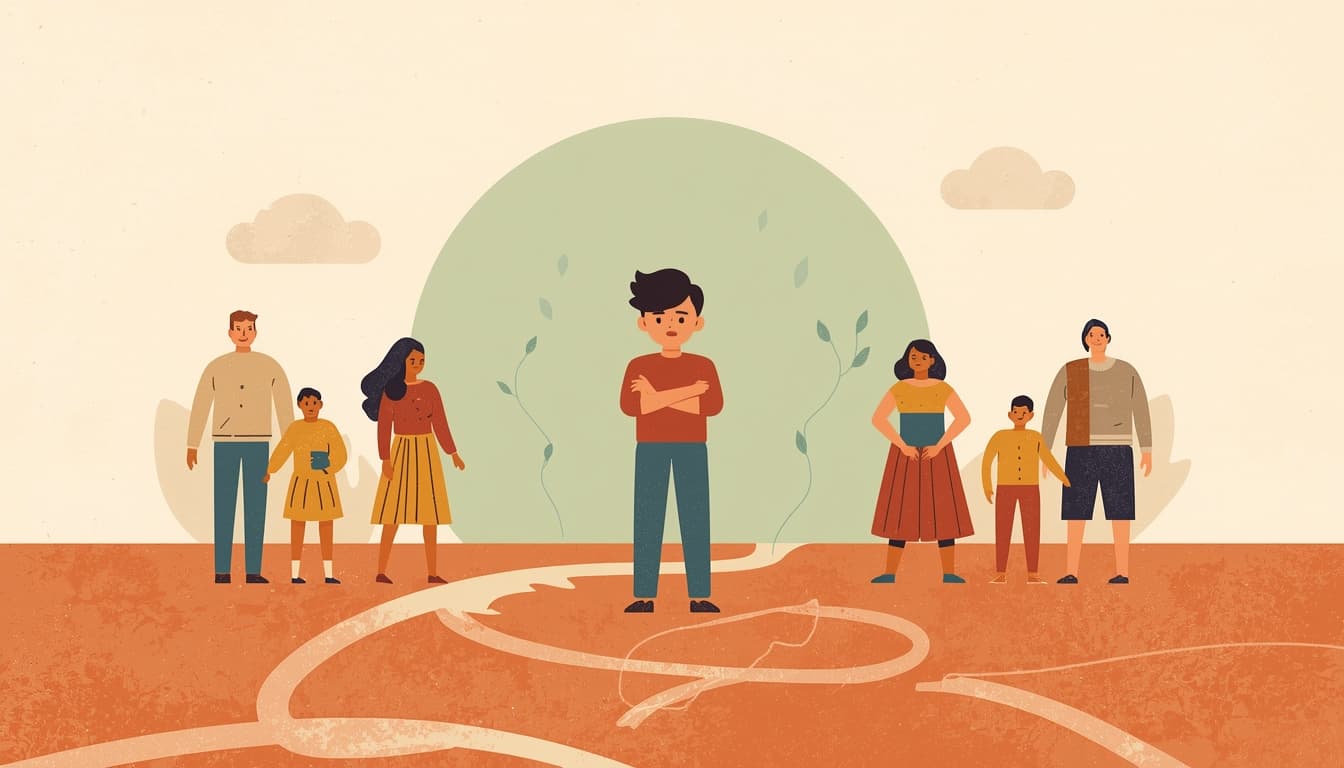 | To express what others avoided, question family rules, expose tension, or draw attention to injustice or pain. |
|
|
Before you start
This test is a reflective self-awareness tool, not a diagnosis or formal psychological assessment. It is intended to support reflection and, if helpful, future therapeutic conversation. Many people recognise themselves in more than one role, and roles can shift across time, relationships, and family contexts.
This questionnaire does not require your name or email address. Your answers are only used to show your result on this page. They are not intended to be stored, sent anywhere, or used for marketing.
These prompts are deliberately mixed and a little indirect. For each question, choose the answer that feels closest overall, even if more than one option contains some truth.
Related resources