Relationship resource

How to deal with difficult people

Most of us have people in our lives who can be difficult to deal with. They may become defensive, argumentative, critical, withdrawn or easily offended. Sometimes these behaviours appear only under stress; at other times, they form part of a much more persistent pattern of manipulation, control or disregard for others.

An important question, therefore, is not simply “Is this person difficult?” but “What kind of difficulty am I dealing with?”

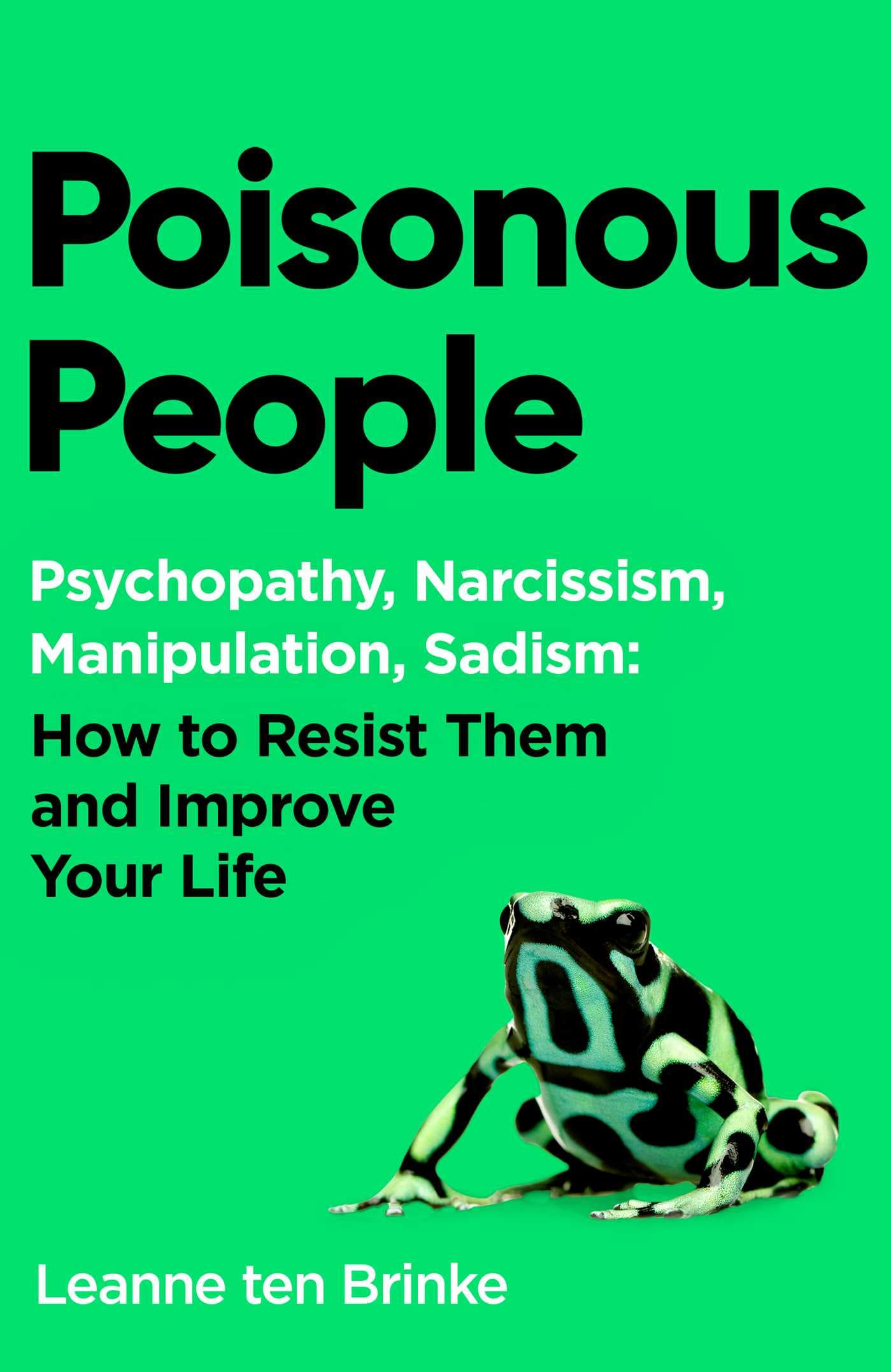
Two books offer useful, although quite different, ways of thinking about this: How to Hug a Porcupine, a practical guide to navigating relationships with “prickly” people, and psychologist and researcher Leanne ten Brinke’s Poisonous People, which explores darker personality traits including psychopathy, narcissism, manipulation and sadism.

An illustration of people navigating distance, defensiveness, and difficult relationship dynamics.

Understanding defensiveness

When someone is “prickly”

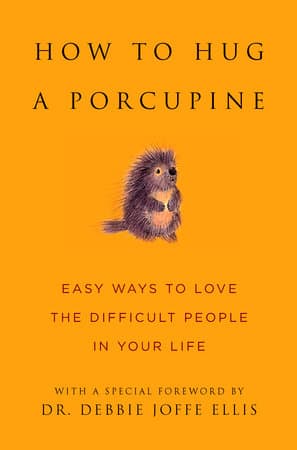
How to Hug a Porcupine uses the image of a porcupine to describe people whose “quills” tend to come out in relationships. The underlying idea is that difficult behaviour does not necessarily mean that someone intends to cause harm. Sometimes defensiveness, irritability or hostility develops as a form of protection.

A person may become prickly when they feel criticised, threatened, ashamed, overwhelmed or misunderstood. Their behaviour can still be unpleasant and can certainly affect the people around them, but there may be room for the relationship to improve when both people feel safer and communicate differently.

Some of the approaches suggested in How to Hug a Porcupine include:

  • Give people space when emotions are high. Trying to resolve something when someone feels cornered or highly defensive can make matters worse. Sometimes pausing and returning to the conversation later is more productive.
  • Try not to respond to defensiveness with more defensiveness. A calmer tone, kindness and curiosity can sometimes help lower the emotional temperature.
  • Be specific rather than global. “I felt hurt when you said that yesterday” is generally easier to hear than “You are always horrible to me.”
  • Listen to the feeling underneath the argument. Sometimes people need to feel heard before they are able to think about solutions.
  • Ask rather than assume. Open questions can help us understand another person's experience instead of immediately deciding what their behaviour means.
  • Notice your own reactions. Difficult interactions can quickly become circular. Recognising when you are becoming angry, frightened or defensive yourself can help prevent escalation.
  • Remember the whole person. Someone can behave badly at times without that behaviour representing everything they are.

None of this means tolerating unacceptable behaviour. Compassion and boundaries are not opposites. We can understand why someone reacts defensively while still being clear about what we are and are not willing to accept.

Recognising harmful patterns

When difficult behaviour becomes something more concerning

Leanne ten Brinke's Poisonous People looks at a different end of the spectrum. Drawing on research into what psychologists sometimes call dark personality traits, she examines people characterised by patterns such as manipulation, deceit, callousness, exploitation, entitlement and a desire for dominance.

Here, the assumption that better communication will necessarily improve the relationship can become problematic.

If someone repeatedly lies, intimidates, manipulates, exploits vulnerability or disregards your wellbeing, responding with greater empathy or trying harder to understand them may not change the dynamic. In some relationships, it can even provide further opportunities for manipulation.

Ten Brinke's work therefore places much greater emphasis on protection and realistic expectations.

Helpful principles may include:

  • Establish clear boundaries. Be explicit about behaviour you will and will not accept and, where possible, decide what you will do if those boundaries are crossed.
  • Pay attention to patterns rather than promises. Apologies and explanations matter less if the same harmful behaviour repeatedly returns.
  • Verify important information. Where dishonesty or manipulation is a recurring feature of the relationship, relying solely on trust may leave you vulnerable.
  • Keep important communication in writing where appropriate. This can be particularly helpful in workplace disputes, separations or relationships in which conversations are frequently denied or rewritten afterwards.
  • Avoid being drawn into endless arguments about reality. You do not necessarily need to persuade another person to agree with your experience in order to take your own experience seriously.
  • Keep expectations realistic. Your patience, loyalty or love cannot make another person become accountable if they have little motivation to change.
  • Limit the power a harmful person has over you where possible.
  • Consider distance or leaving when necessary. If a relationship is consistently damaging or unsafe, the goal may no longer be improving communication but protecting yourself.

Looking at the pattern

The difference matters

One of the difficulties in relationships is that prickly behaviour and harmful behaviour can sometimes look similar on the surface.

A frightened or defensive person might become angry, withdraw or say something hurtful. So might someone who uses anger or withdrawal deliberately to control another person.

The difference often becomes clearer when we look at the pattern over time.

You might ask yourself:

What happens when I tell this person that they have hurt me?

Can they eventually listen, reflect, show genuine concern and take some responsibility? Or does the conversation consistently end with blame, intimidation, denial or you questioning your own reality?

Can they respect a boundary, even when they don't like it?

Someone may initially feel disappointed or defensive about a boundary and still ultimately respect it. A more concerning pattern is repeatedly punishing, pressuring or manipulating you until you abandon the boundary.

Is there genuine reciprocity?

Healthy relationships are imperfect, but there is usually some capacity for both people to consider one another. If one person's feelings, needs and version of events routinely dominate the relationship, something different may be happening.

Does behaviour change after an apology?

An apology is meaningful when it is followed by some attempt to behave differently. Repeated cycles of harm, apology and repetition deserve attention.

Compassion and self-protection

Understanding someone does not require you to tolerate them

This may be the most important distinction.

There are relationships in which more understanding, softer communication and curiosity can make an enormous difference. Sometimes both people have their “quills” out and therapy can help them understand the vulnerability underneath their defensive patterns.

But there are also relationships in which the task is not to become better at accommodating another person's harmful behaviour.

You can understand that someone's behaviour may come from insecurity, trauma, personality or their own history and still decide that its impact on you is unacceptable.

Empathy does not require unlimited access to you.

Boundaries do not require another person's agreement.

And recognising that a relationship is harmful does not require you to prove that the other person is a particular kind of person or give them a psychological label.

Sometimes the most useful question is simply:

What happens to me when I am in this relationship, and is there enough safety, respect and accountability for something healthier to develop?

Books mentioned

Further reading

Front cover of How to Hug a Porcupine.

How to Hug a Porcupine (Hatherleigh Press, edited by June Eding, with contributions from Dr Debbie Joffe Ellis) offers practical strategies for communicating with difficult or “prickly” people and encourages greater patience, self-awareness and understanding in everyday relationships.

Front cover of Poisonous People by Leanne ten Brinke.

Leanne ten Brinke's Poisonous People: Psychopathy, Narcissism, Manipulation, Sadism: How to Resist Them and Improve Your Life(Simon & Schuster, 2026) draws on psychological research into dark personality traits and explores how to recognise harmful patterns, reduce their impact and decide when remaining in a relationship may no longer be in your best interests.